
ACTIVITY 2: Diving Into the Blues
STEP 1:
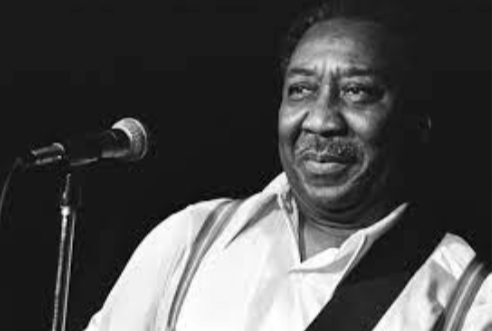
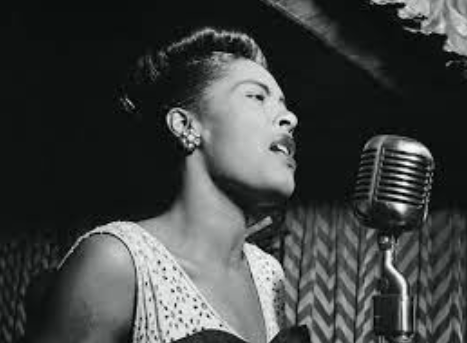
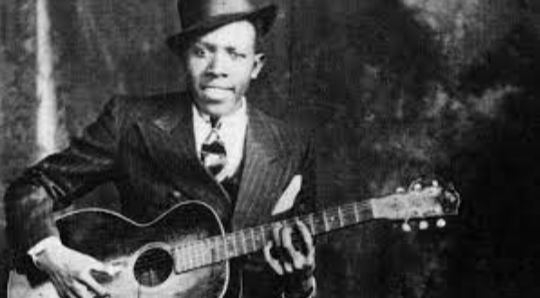
Visit the following links to listen to songs by several of the
aforementioned musicians. As you listen, write what each song makes you think, feel and wonder about in a journal or on a separate piece of paper.
STEP 2:
The Academy of American Poets describes Jazz Poetry in the following way:
Jazz poetry is a literary genre defined as poetry necessarily informed by jazz music—that is, poetry in which the poet responds to and writes about jazz. Jazz poetry, like the music itself, encompasses a variety of forms, rhythms, and sounds.
Read the following 2 poems, "The Weary Blues," by Langston Hughes and American History by Michael S. Harper.
Notice any forms, rhythms and sounds that the poets use. Then think about the content or topics in the two poems. What historical events, and/or social attitudes do you think the poets are responding to?
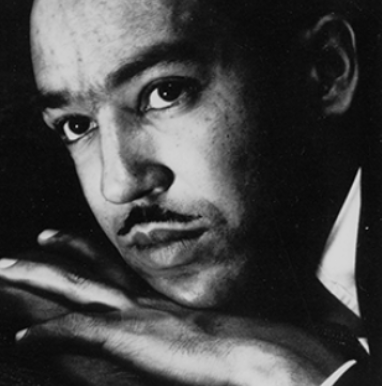
The Weary Blues
Langston Hughes (1902-1967)
Droning a drowsy syncopated tune,
Rocking back and forth to a mellow croon,
I heard a Negro play.
Down on Lenox Avenue the other night
By the pale dull pallor of an old gas light
He did a lazy sway ...
He did a lazy sway ...
To the tune o' those Weary Blues.
With his ebony hands on each ivory key
He made that poor piano moan with melody.
O Blues!
Swaying to and fro on his rickety stool
He played that sad raggy tune like a musical fool.
Sweet Blues!
Coming from a black man's soul.
O Blues!
In a deep song voice with a melancholy tone
I heard that Negro sing, that old piano moan—
"Ain't got nobody in all this world,
Ain't got nobody but ma self.
I's gwine to quit ma frowninl
And put ma troubles on the shelf."
Thump,thump, thump, went his foot on the floor.
He played a few chords then he sang some more—
"l got the Weary Blues
And I can't be satisfied.
Got the Weary Blues
And can't be satisfied—
I ain't happy no mo'
And I wish that I had died."
And far into the night he crooned that tune.
The stars went out and so did the moon.
The singer stopped playing and went to bed
While the Weary Blues echoed through his head.
He slept like a rock or a man that's dead.
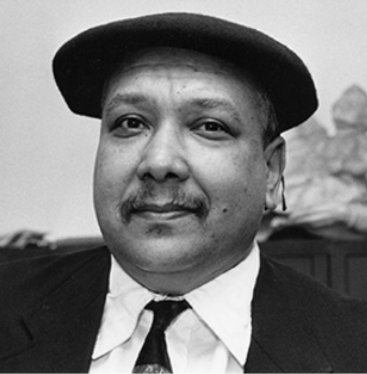
American History
Michael S. Harper (1938-2016)
Those four black girls blown up
in that Alabama church
remind me of five hundred
middle passage blacks,
in a net, under water
in Charleston harbor
so redcoats wouldn't find them
Can't find what you can't see
can you?
STEP 3:
- Consider some of the difficult issues your community, town, state or nation are possibly being confronted with today. (Some examples include the effects of climate change, lack of affordable housing, racism, access to health care, etc.)
- Choose the issue that interests you most and jot down words/images that come to mind when you think about that issue.
- Respond to your issue creatively. This means that you can create a poem, a piece of visual art such as a drawing, or photograph, or collage, or painting, or write a song or one act play about your issue. The sky's the limit. Be sure to share your creative response with rockyourworld@creativevisions.org or submit your work to our international youth gallery.