Youth Spotlight: Sophie Bautista
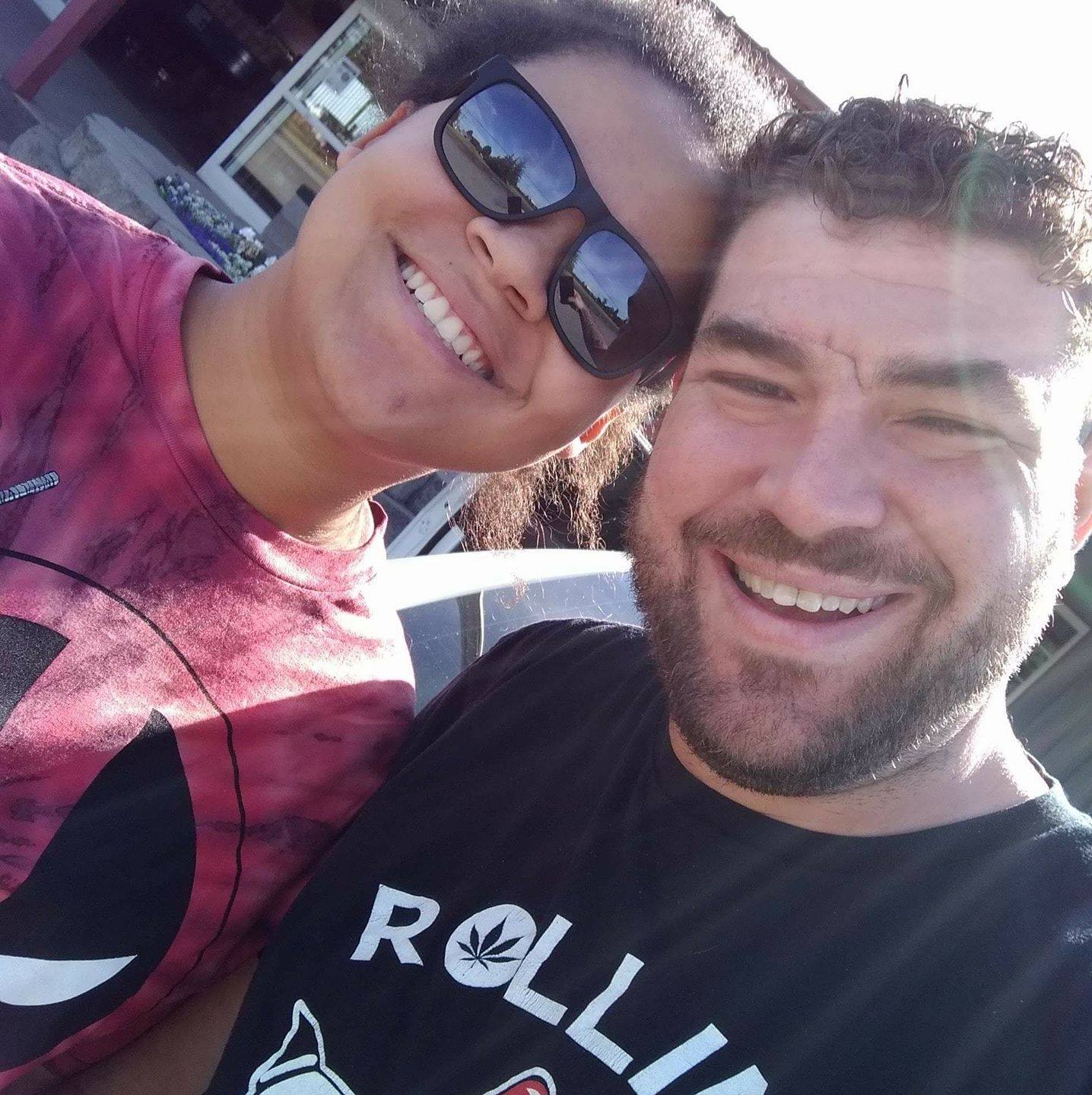
Rock Your Rights is excited to shine a light on youth activists! Sophia Bautista, a former Rock Your World Visionary Intern, had the opportunity to attend the Global Institute for Human Rights hosted by the University of Pennsylvania. Students tackled the impact of the COVID-19 Pandemic on human rights, resulting in a mock shadow report presented to Generation Equality at the United Nations. Click below to read her essay!
COVID-19 and Domestic Violence: The Tale of Two Pandemics
We are at the beginning of a new approach to human rights. COVID-19 has peeled back and laid bare the deep fault lines of inequality governments have enabled for years. It is apparent that all nine treaty bodies — the Convention on the Rights of the Child, Convention on the Elimination of All Forms of Discrimination Against Women, and the International Convention on the Elimination of All Forms of Racial Discrimination amongst the few of them — are not separate, but linked together. Suddenly, it’s easy to see that the rights of women and, say, the rights of migrants are connected.
For example, domestic violence rates right now are skyrocketing due to the stay-at-home order, locking women and girls in with their abusers. Domestic violence is already an epidemic, but the violence is worsening because the services available for gender-based violence have been diverted to the health response, de-prioritizing domestic violence. Governments aren’t investing in safe and secure spaces like shelters as an essential part of their COVID-19 response. There’s a cost associated with absenteeism and missed work hours because of domestic violence, stunting women’s economic growth and the potential to leave their abusive relationship. COVID-19 deepened the epidemic of domestic violence to horrifying levels, but there is a possibility to transform the paradigm of human rights law to be one that’s intersectional.
What is intersectionality? International women’s rights expert, Rangita de Silva de Alwis, pointed out, “Language has no innocence. We lack authority to articulate and give name to issues. There was a time when sexual harassment had no vernacular, until Anita Hill. There was once no language in law for domestic violence.” Luckily, the definition of intersectional, coined by Kimberly Crenshawe, is brief: race, class, gender, and other individual characteristics intersect with one another and overlap (like a circle road!) In a non-intersectional approach, domestic violence hotlines in the United States would only speak English, severely limiting access to shelters from immigrant or indigeneous women. It would only be helping one type of woman: English-speaking ones.
COVID-19 tackles the right to health. That includes the virus of domestic violence. Although the CEDAW (Convention on the Elimination of Discrimination Against Women) doesn’t explicitly talk about domestic violence, its reason for existence is to stop discrimination against women in any form. UN Special Rappoteur Rashida Manjoo says, “States must acknowledge that violence against women is not the root problem, but that violence occurs because other forms of discrimination are allowed to flourish.” Domestic violence exists because some governmental systems don’t have adequate laws in place protecting women.
Intersectionality, especially in light of this pandemic, says that we’re not all on the “same boat.” Instead, we’re weathering the same storm — and some people need a little extra help to get through it.